

Majestic+
Members Only

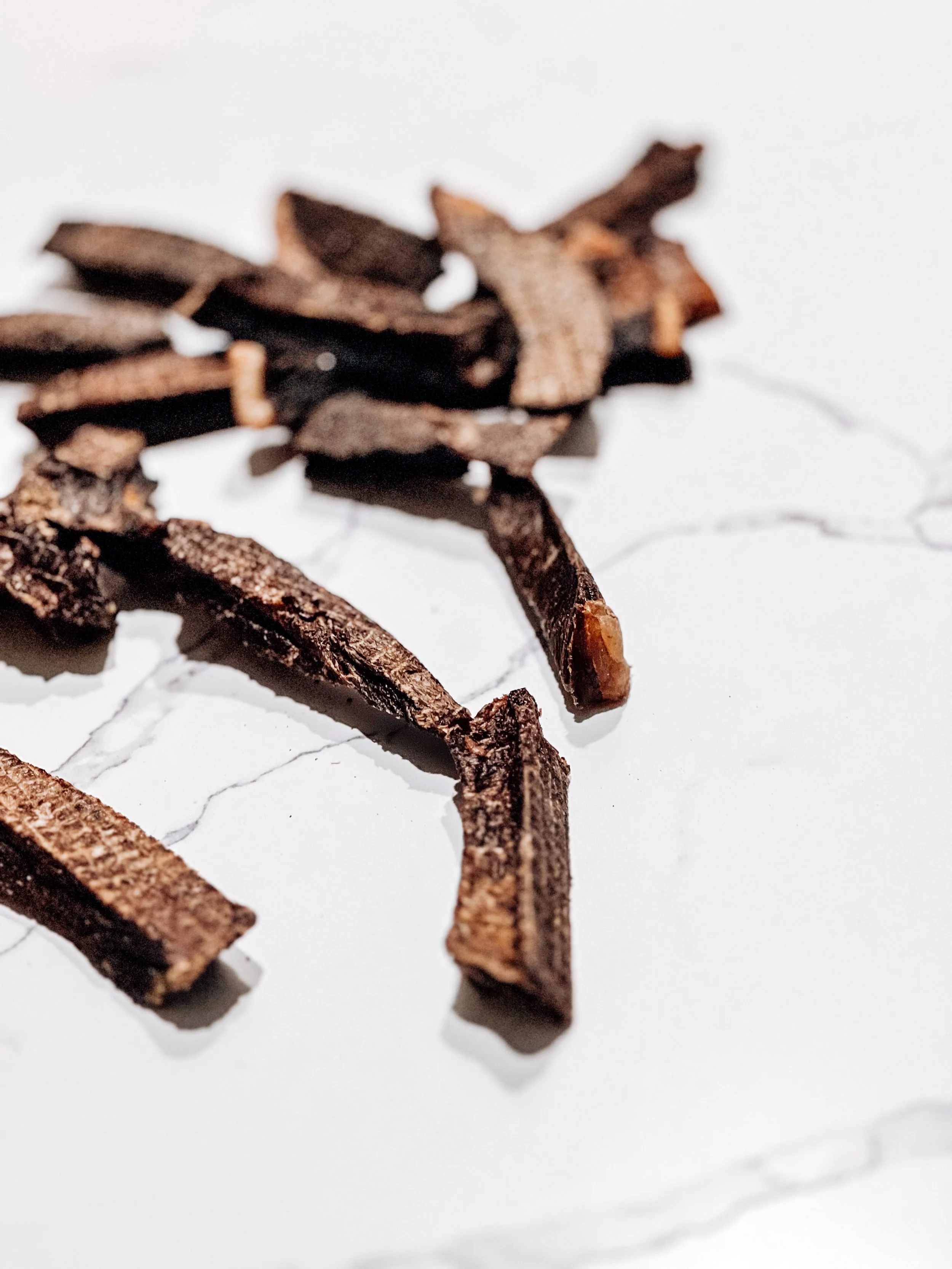

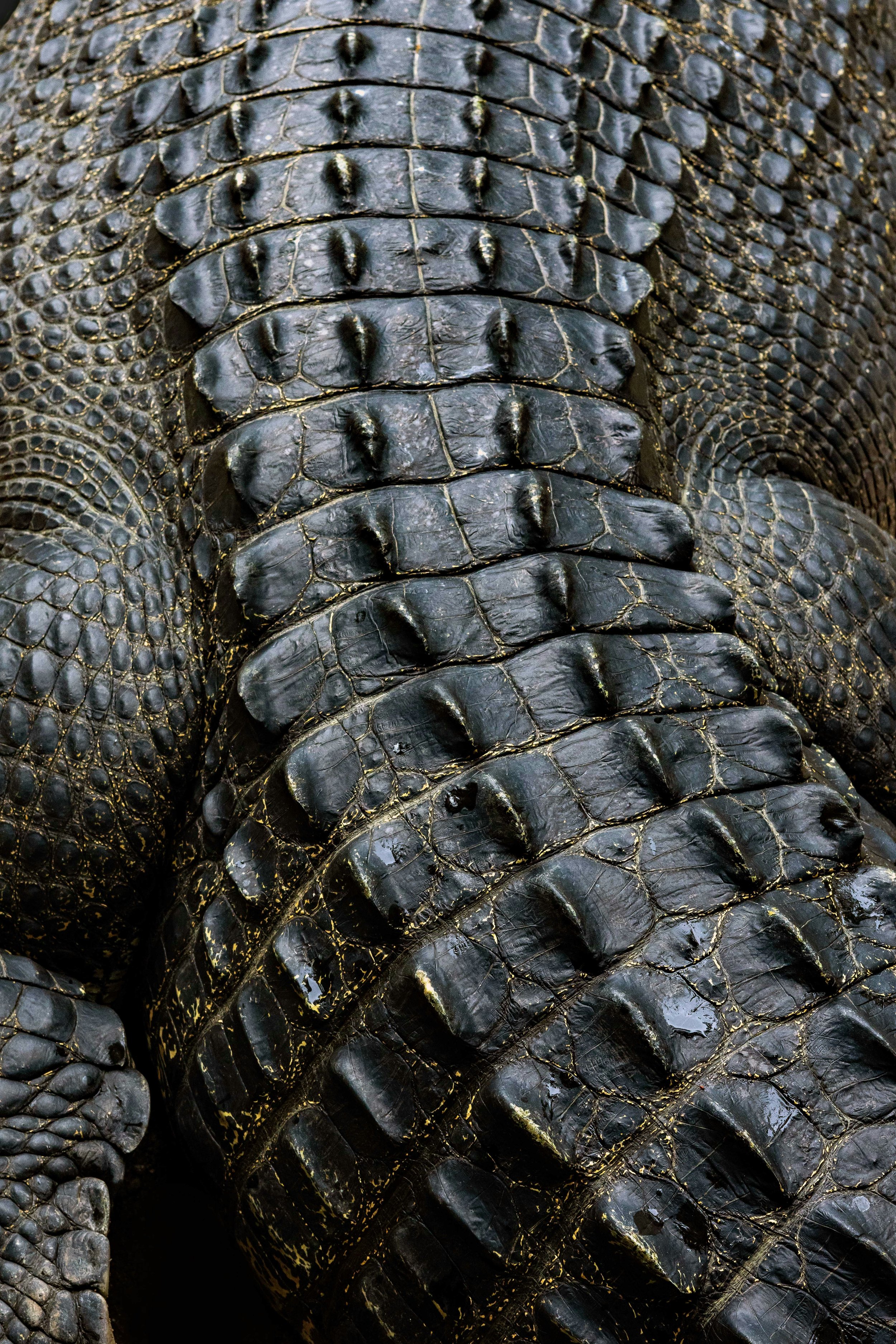
American Alligator
Best For
Warm-natured pets | Itchy or inflamed skin | Hot spots | Rotational feeding | Novel protein diets
Overview
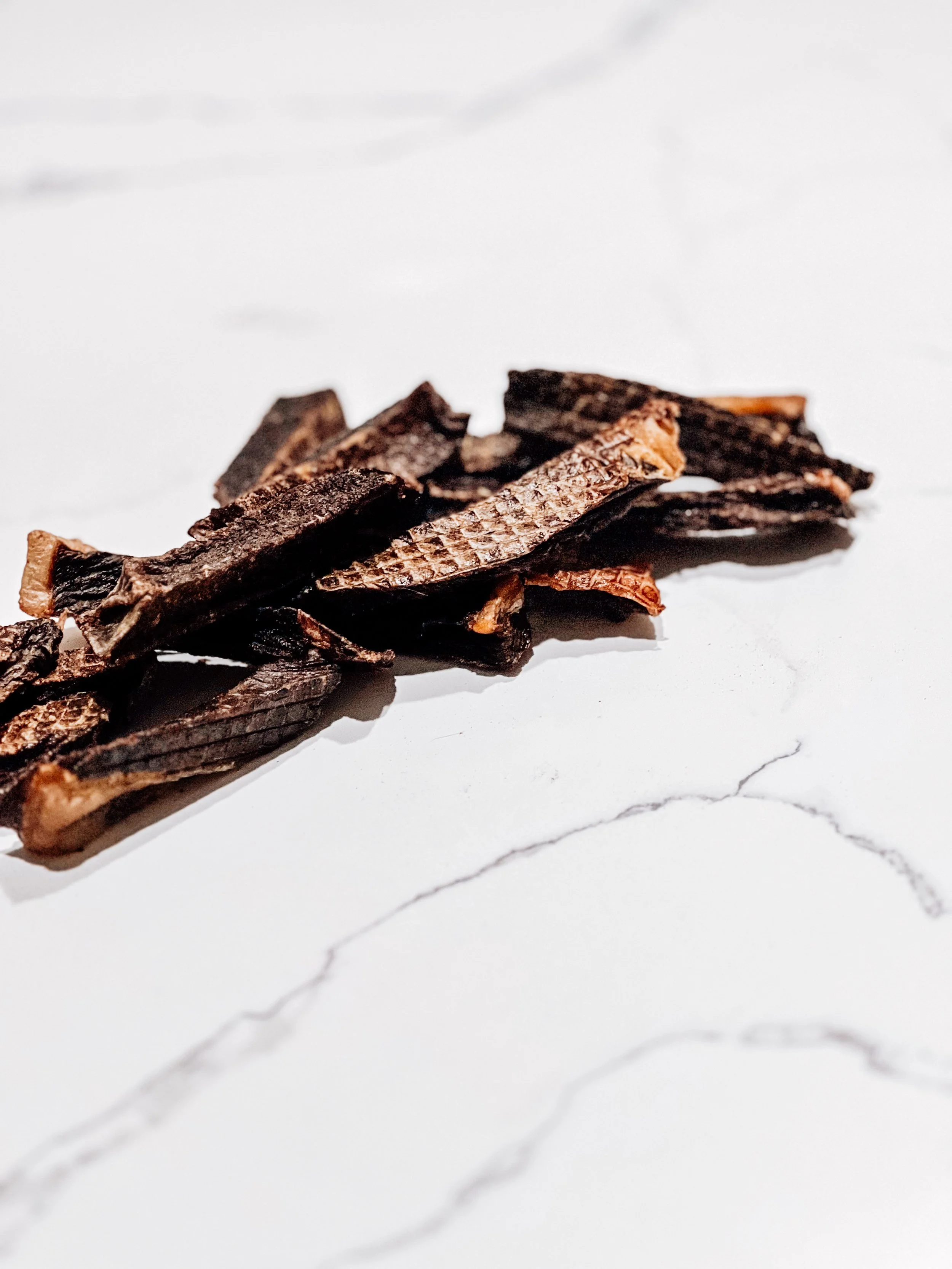
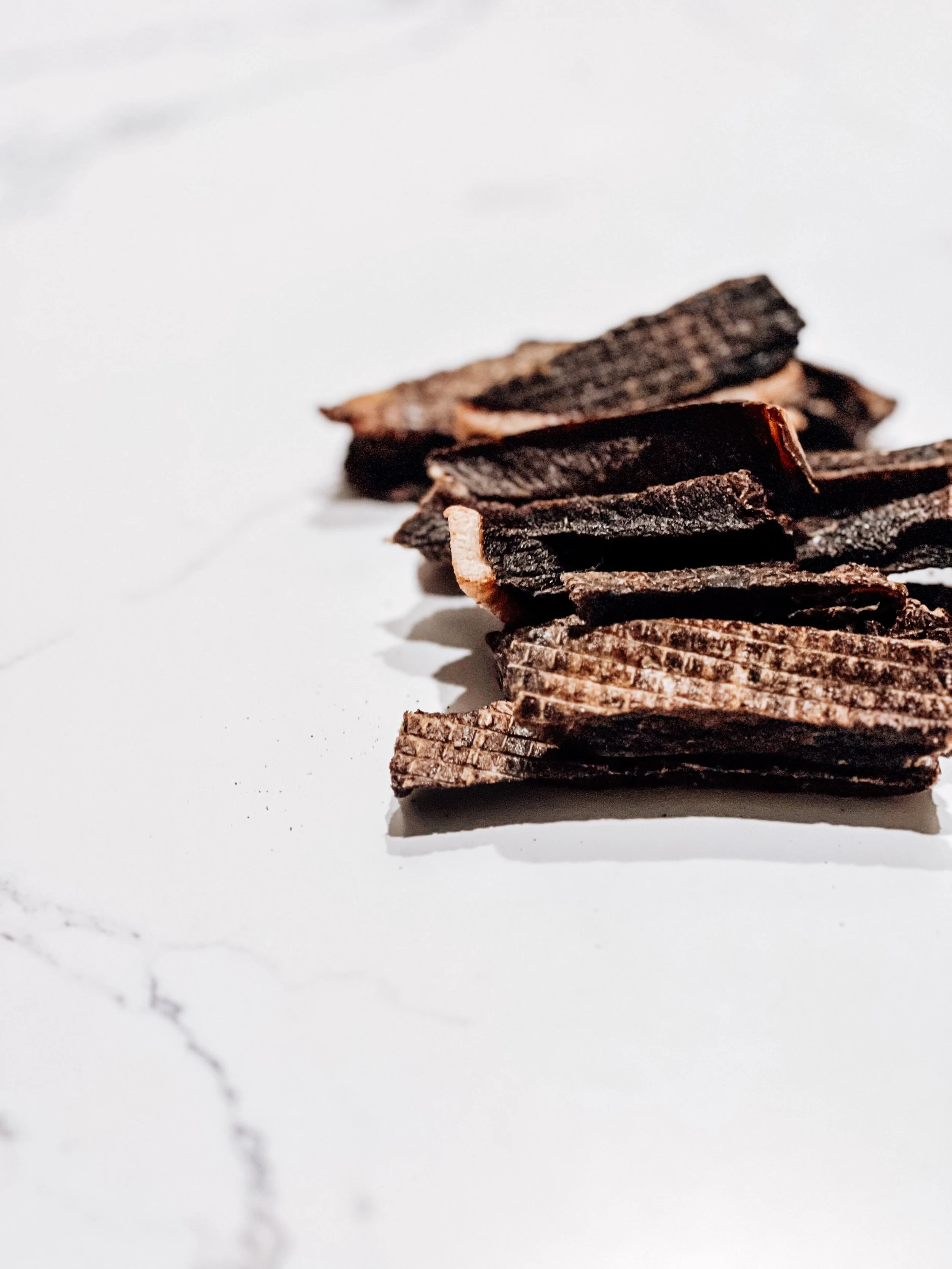
Sustainably wild-caught and USA farm-raised alligator is a lean, novel protein valued for its clean digestibility and functional nutritional profile. Naturally rich in essential amino acids, it supports muscle maintenance, tissue repair, and overall vitality in a simple, single-ingredient form.
Compared to more common proteins, alligator is typically lower in fat while still delivering meaningful protein density, making it a lighter, efficient option for pets that benefit from clean, streamlined nutrition. As a less commonly used protein in traditional commercial diets, it also serves as an effective choice within rotation feeding strategies for pets with sensitivities or those needing dietary variety.
From a TCVM perspective, alligator is considered a cooling, heat-clearing protein with a salty profile, traditionally associated with the Water element and support of the Kidney system. Unlike more nourishing cooling proteins, alligator works by reducing excess internal heat and calming inflammatory-type imbalances, making it especially useful for pets showing signs of heat or overstimulation.
Pet parents may consider alligator as part of a rotation for dogs experiencing signs such as itchiness, red or irritated skin, hot spots, excessive panting, or restlessness—where a cooling, heat-clearing protein may help support balance.
By combining modern nutritional value with TCVM-guided energetic properties, alligator serves as both a highly functional protein and a purposeful tool within a more advanced, balanced approach to feeding.
Mosaic Perspective
At Mosaic, alligator is more than a novel protein—it’s a targeted, functional ingredient. Through responsible, traceable sourcing and TCVM-guided formulation, we utilize alligator to help regulate internal heat, support balance, and elevate rotational feeding into a more precise and effective nutritional system.
TCVM Classification
Energy: Cooling (Heat-Clearing)
Element: Water
Organ Support: Kidney, Bladder
Taste: Salty
In Traditional Chinese Veterinary Medicine (TCVM), alligator is used to clear excess heat, calm internal imbalance, and support fluid regulation, making it a valuable protein for pets showing signs of heat or inflammation.
When to Consider Alligator
Alligator may be a valuable addition to a rotational diet for pets that:
Tend to run warm
Experience itchiness, redness, or inflamed skin
Develop hot spots or irritation
Show signs of restlessness or overheating
Benefit from lighter, heat-reducing protein sources
Functional Benefits
Lean, highly digestible protein
Supports muscle maintenance and recovery
Helps maintain healthy skin and coat
Assists in regulating internal balance
Ideal for rotational feeding and sensitive systems
Why It Matters
Feeding with intention goes beyond ingredients—it’s about balance. In TCVM, proteins like alligator help clear excess heat and restore internal equilibrium. When used within a rotational feeding strategy, alligator provides both nutritional efficiency and energetic correction—supporting long-term health in a more precise and purposeful way.

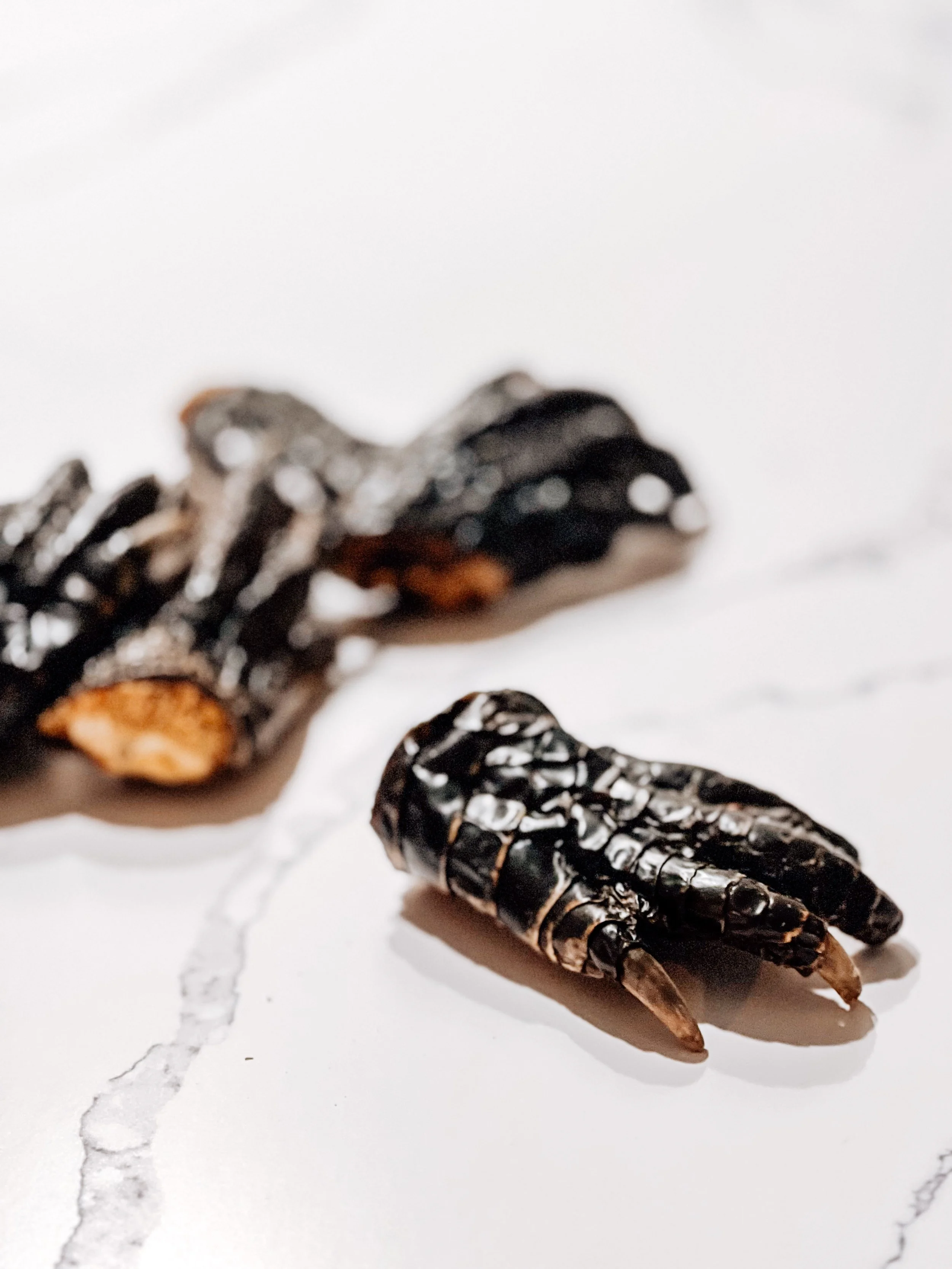
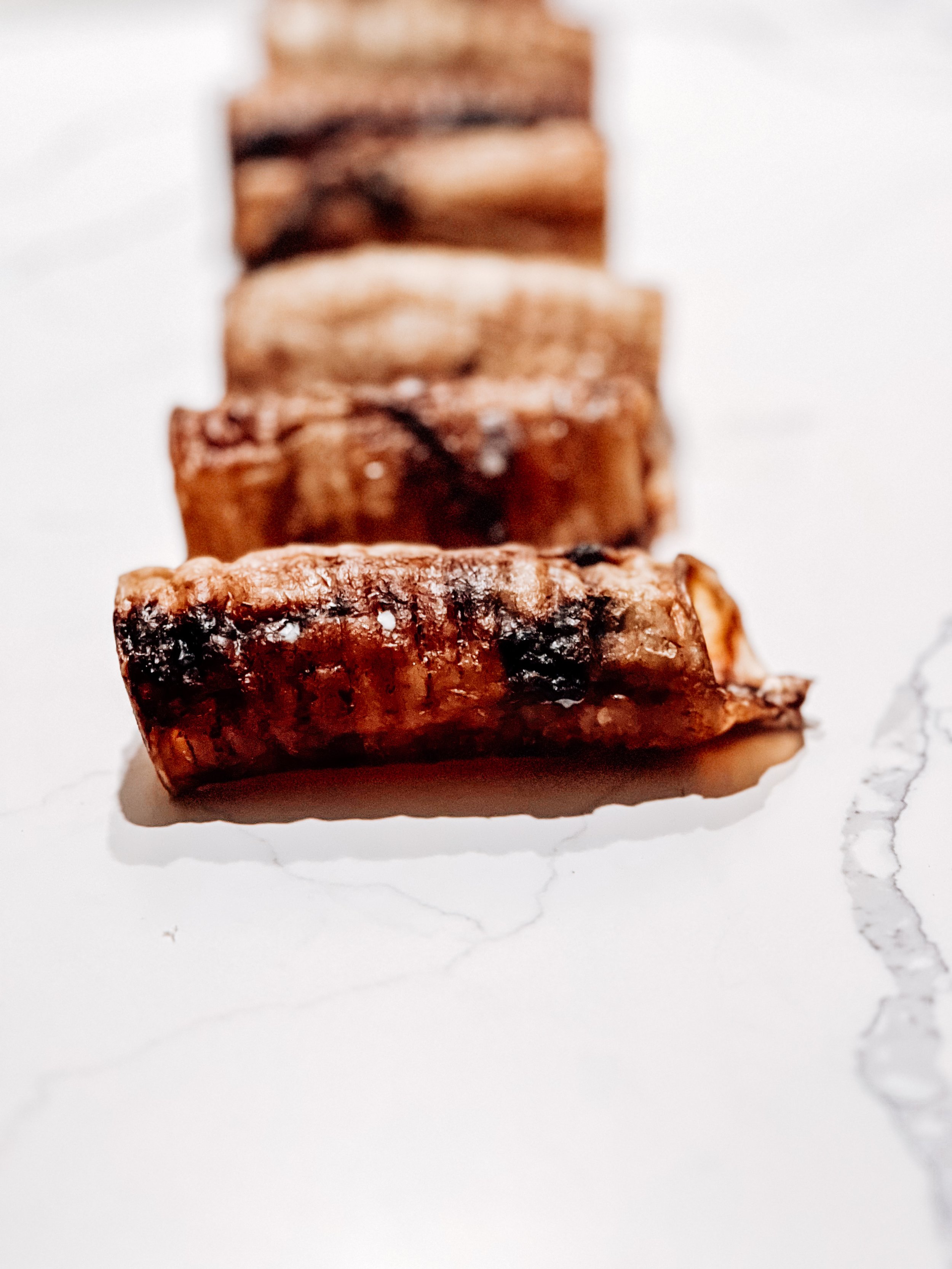
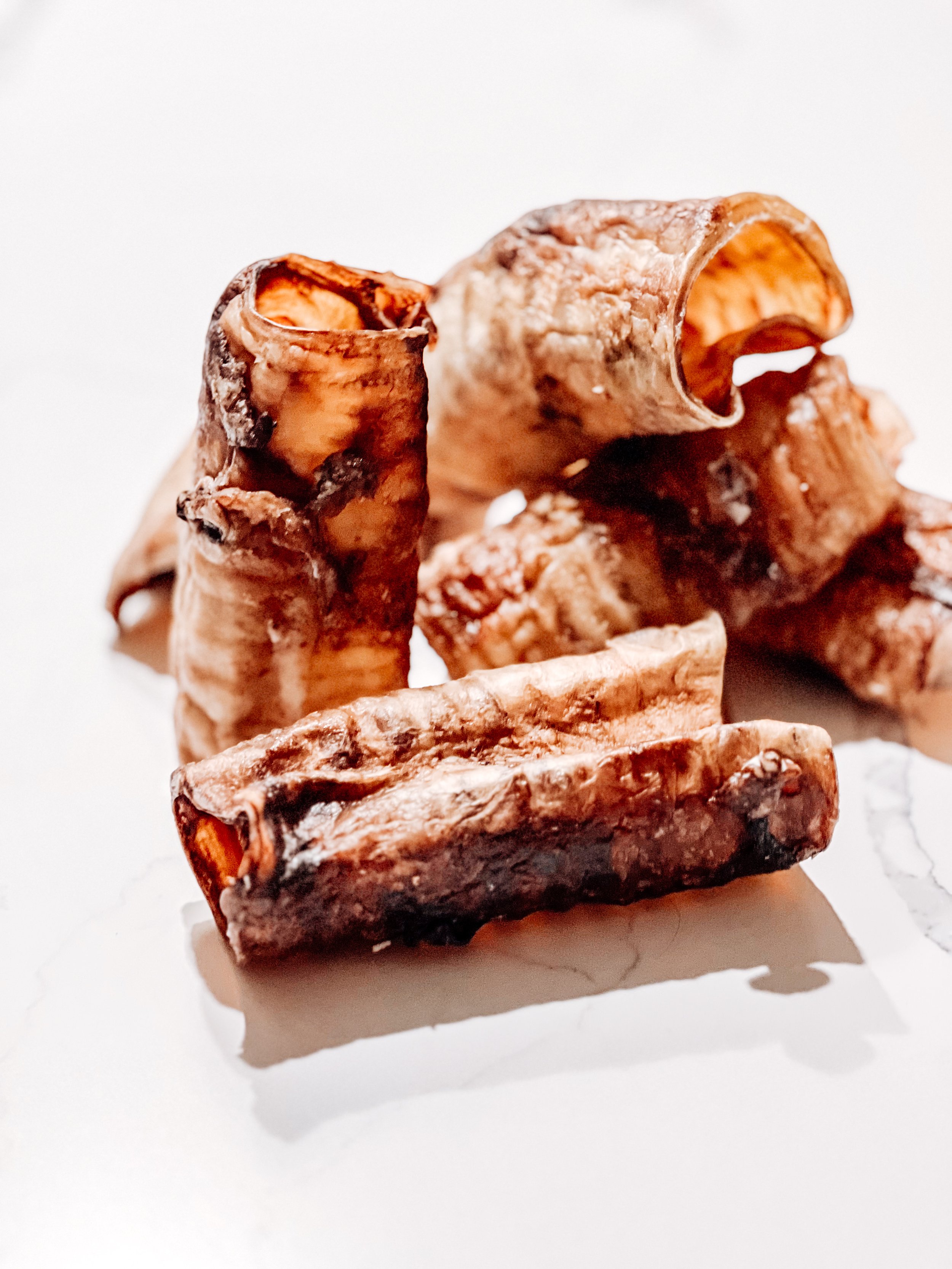
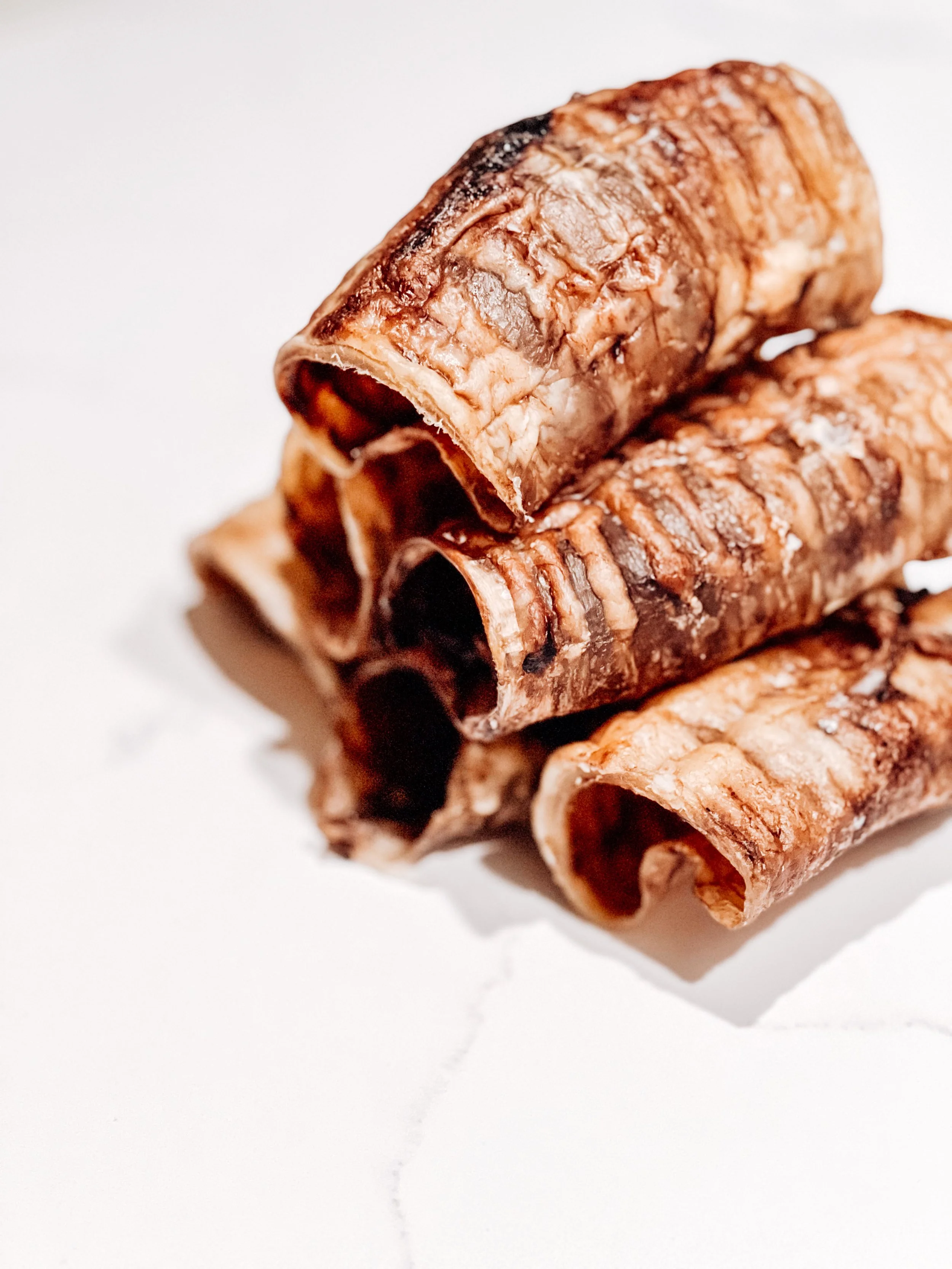
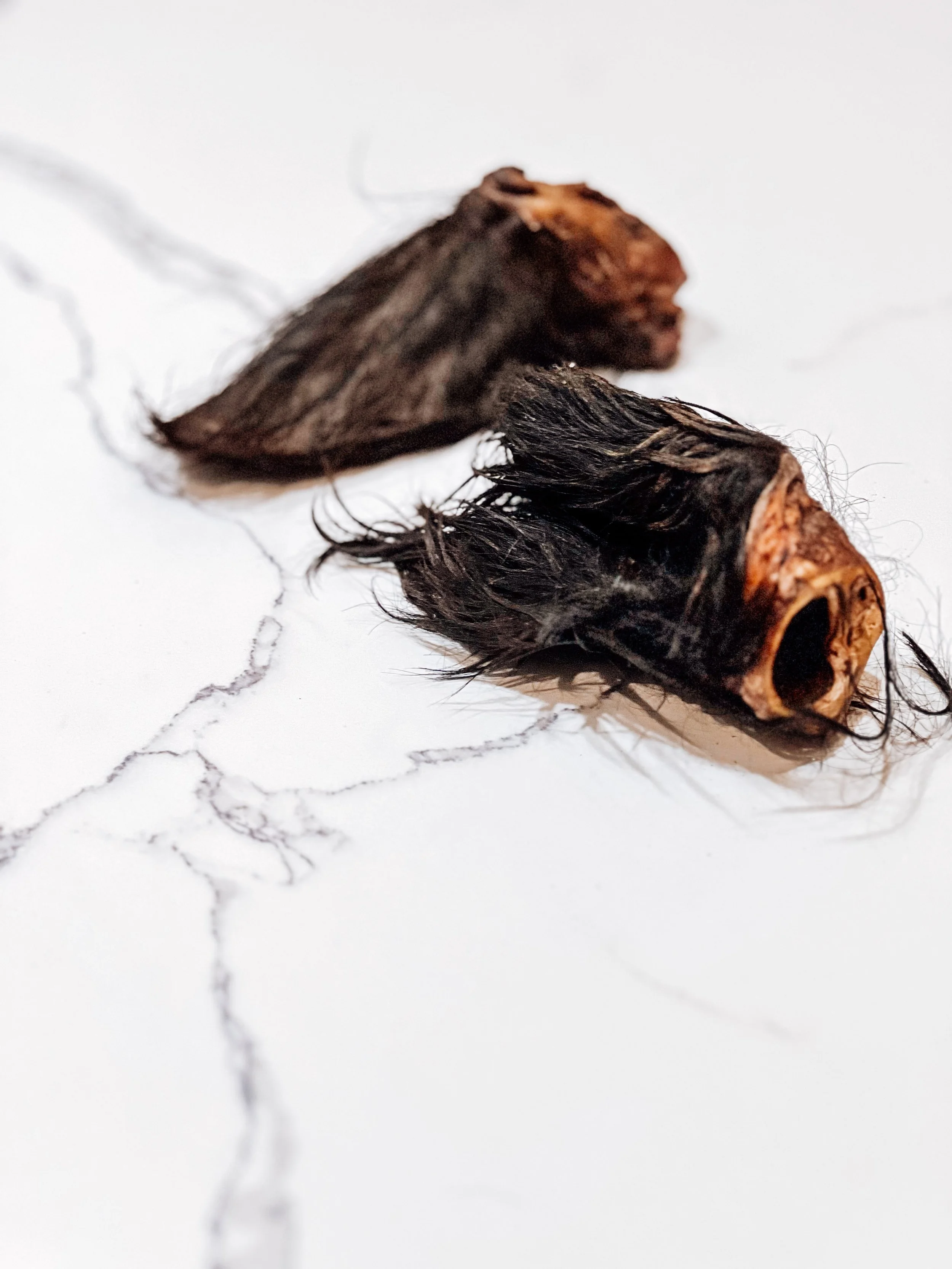
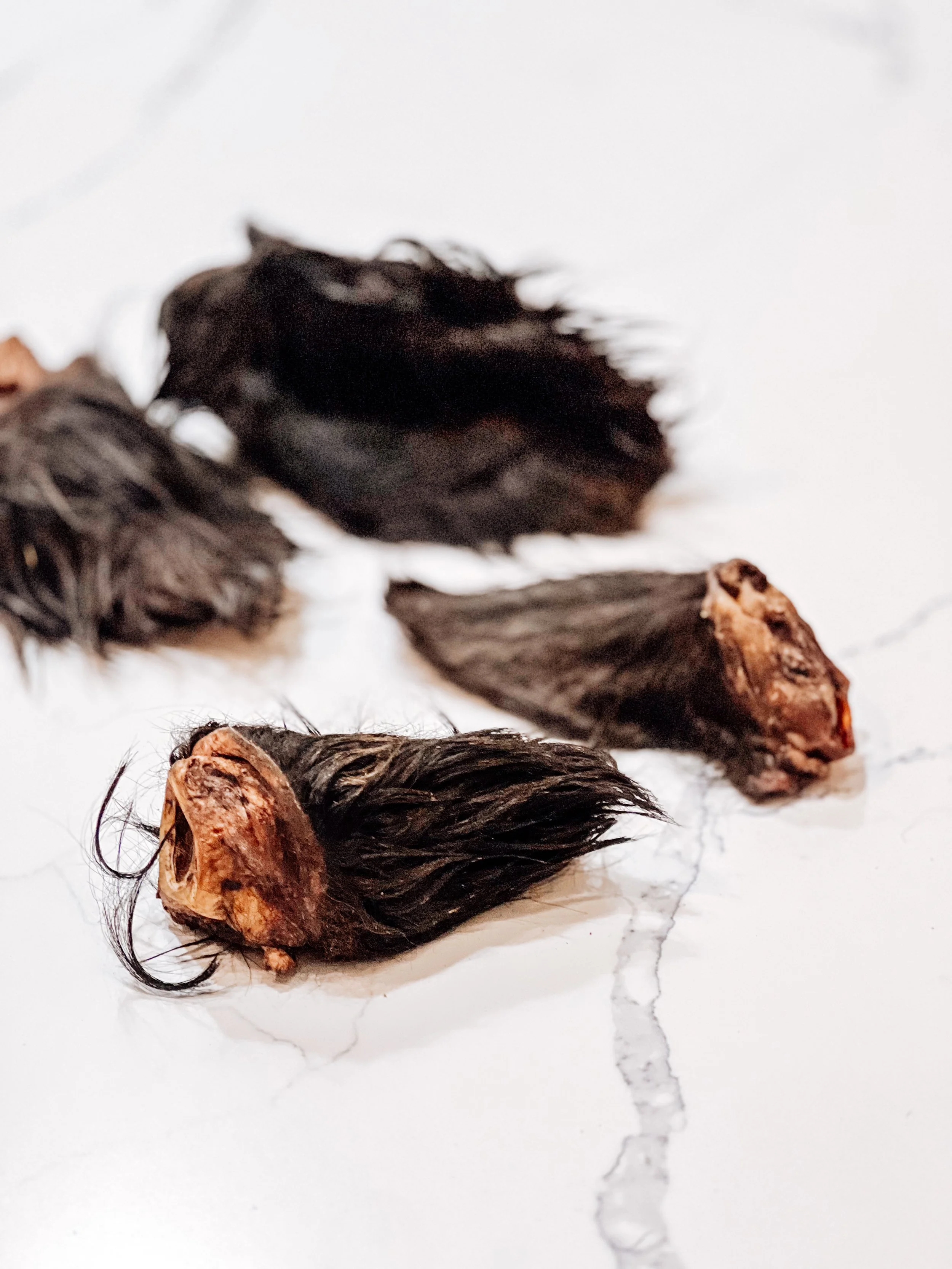
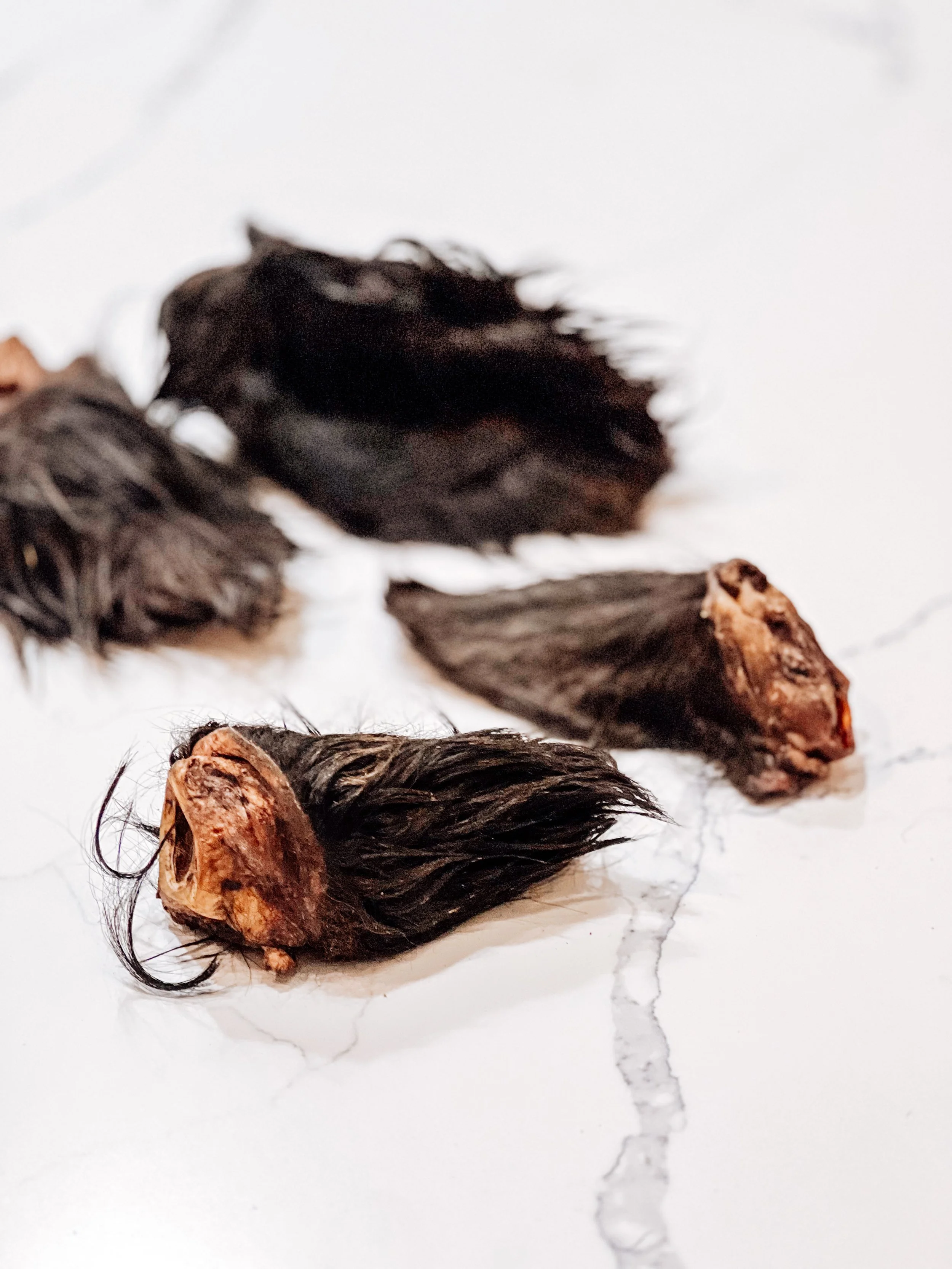
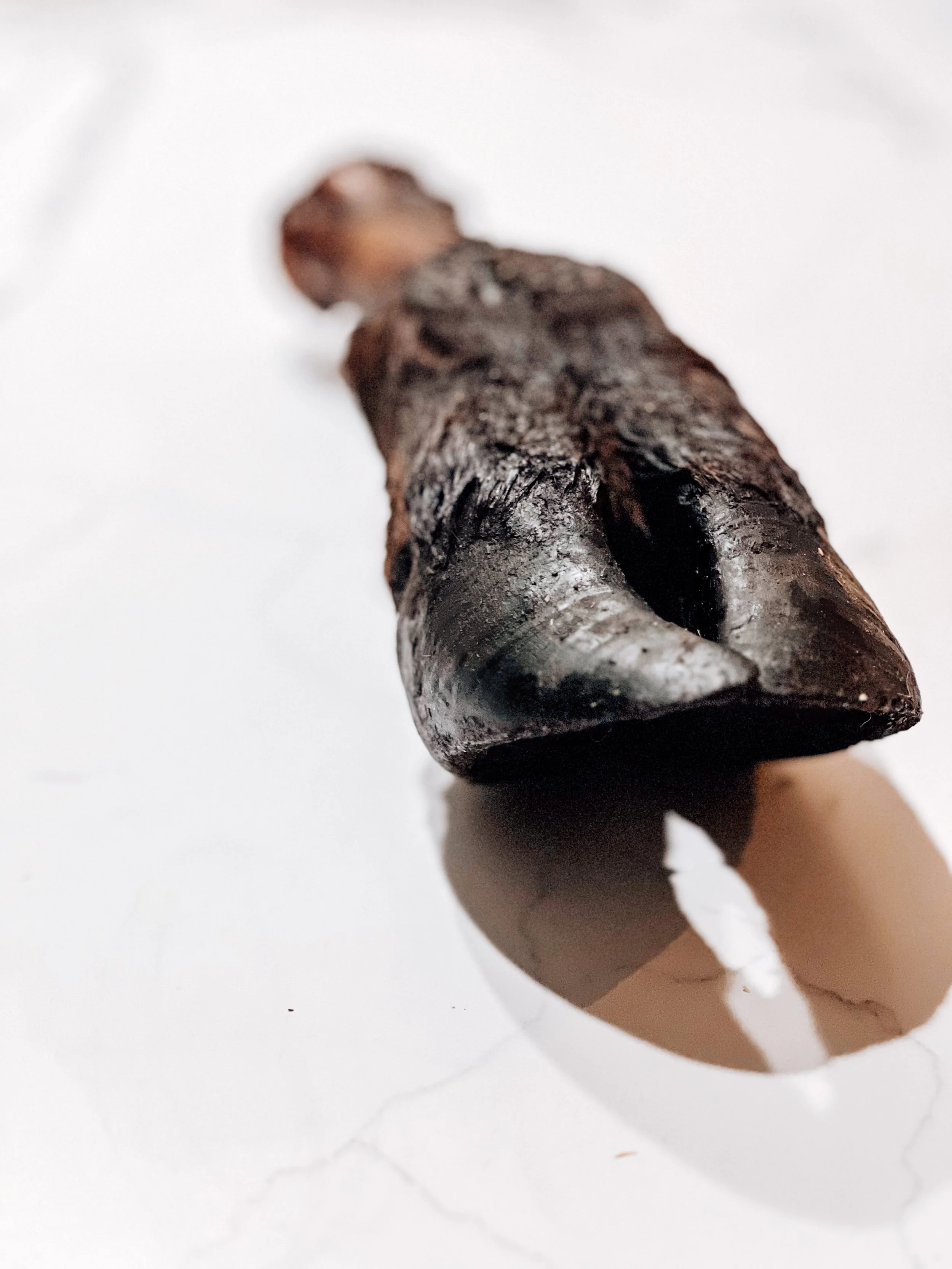
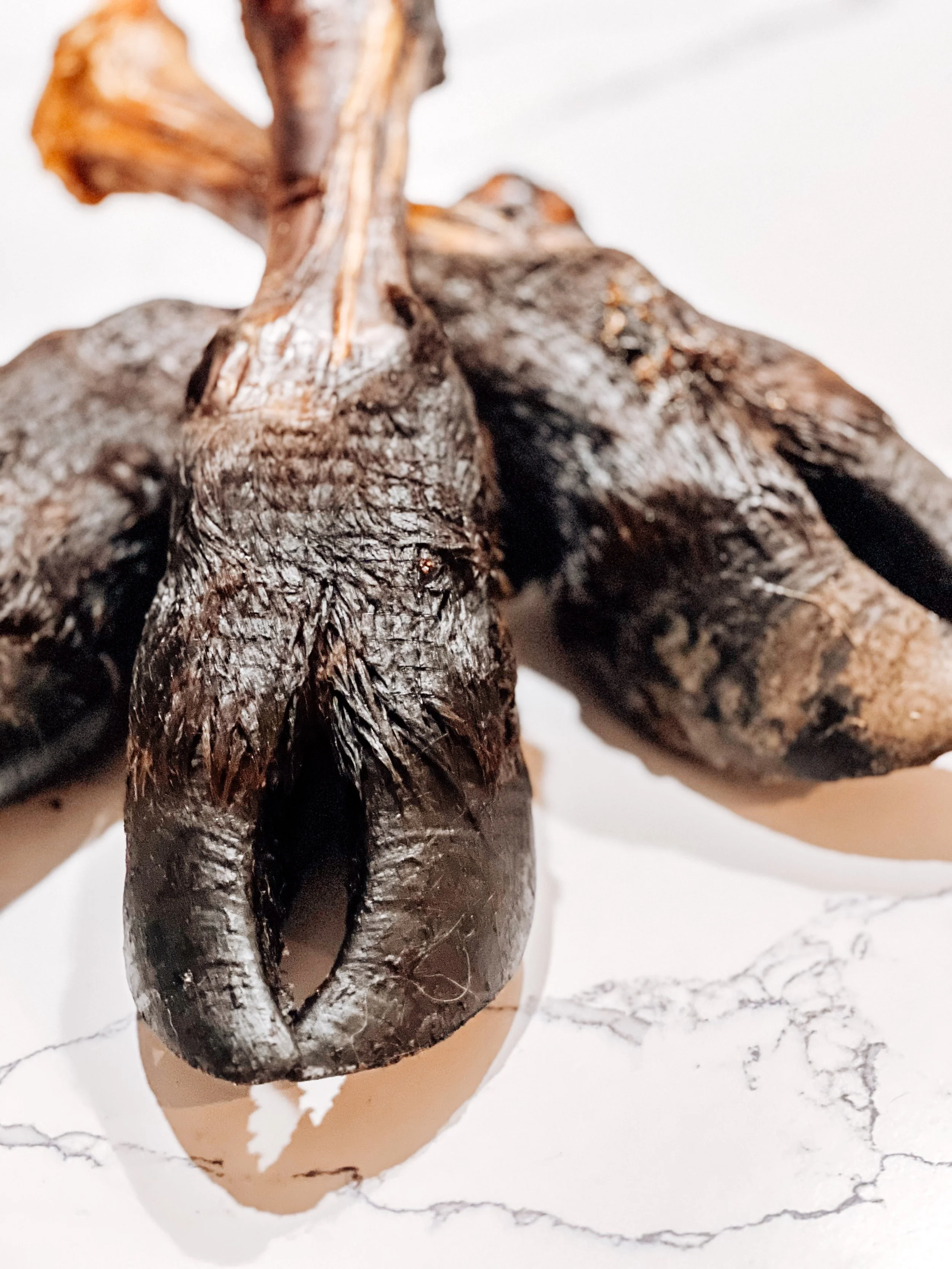
Air-Dried American Alligator Paws, XS — Pack of 2
Pure, powerful, and purpose-driven: our XS American Alligator Paws are gently air-dried in the USA from sustainably sourced alligator, combining farm-raised and wild-caught origins to deliver a responsibly sourced chew your small dog will crave. Each paw is preserved without heat or additives to maintain natural nutrients, including keratin-rich tissue that supports healthy skin and coat.
Designed specifically for small dogs, these compact paws provide long-lasting chewing satisfaction while promoting dental health—natural abrasion helps reduce plaque and tartar buildup as your pet gnaws. Grain-free, single-ingredient, and hypoallergenic, they’re ideal for dogs with sensitivities or chronic issues where simple, clean nutrition matters most.
Pack of 2 • Gently air-dried in the USA • Sustainably sourced (farmed-raised & wild-caught) • Keratin-rich • Dental benefits • For small dogs only
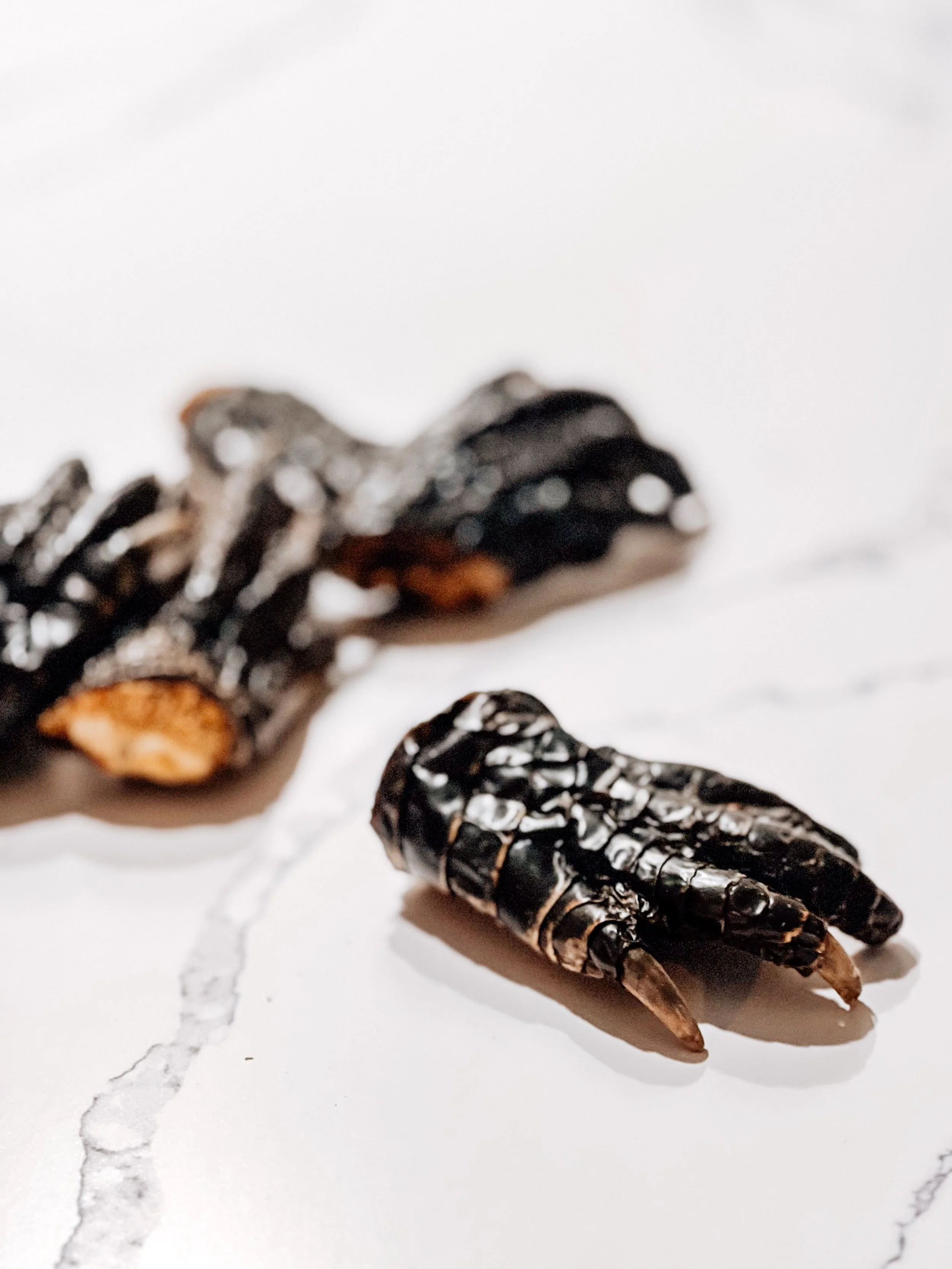
Air‑Dried American Alligator Paws, SM — Pack of 2
A single-ingredient, ultra-premium chew crafted for sensitive small dogs. These alligator paws are gently air‑dried in the USA to preserve natural nutrients and texture, delivering a durable, hypoallergenic dental chew that helps reduce plaque and promote healthy gums.
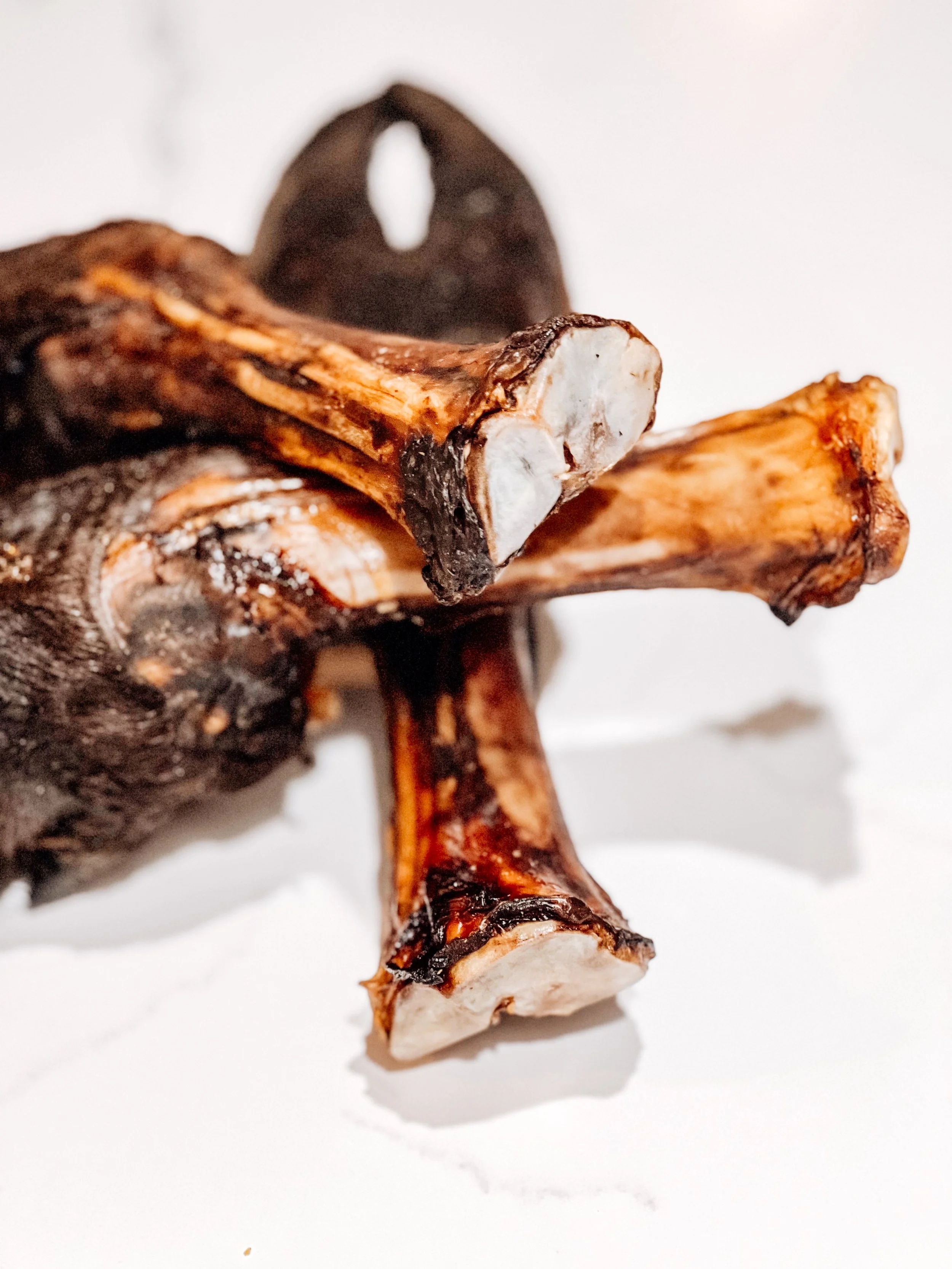
Sustainably sourced in the USA — available farm‑raised and responsibly wild‑caught — our alligator paws offer a unique combination of benefits: keratin-rich nails for long‑lasting chewing satisfaction, nourishing skin and meat for palatability and protein, and natural bone content for mineral support. Free from common allergens, fillers, and artificial additives, they’re ideal for dogs with food sensitivities or chronic skin and digestive issues.
Key benefits:
Gently air‑dried in the USA to retain nutrition and texture
Sustainably sourced in the USA; farm‑raised and wild‑caught options
Hypoallergenic single‑ingredient chew for small dogs
Keratin from nails for durable dental action
Skin, meat, and bone deliver natural protein, flavor, and minerals
Give your small dog a clean, natural chew that supports oral health and overall wellbeing — the smart, clean choice for pets with sensitivities. Pack of 2.
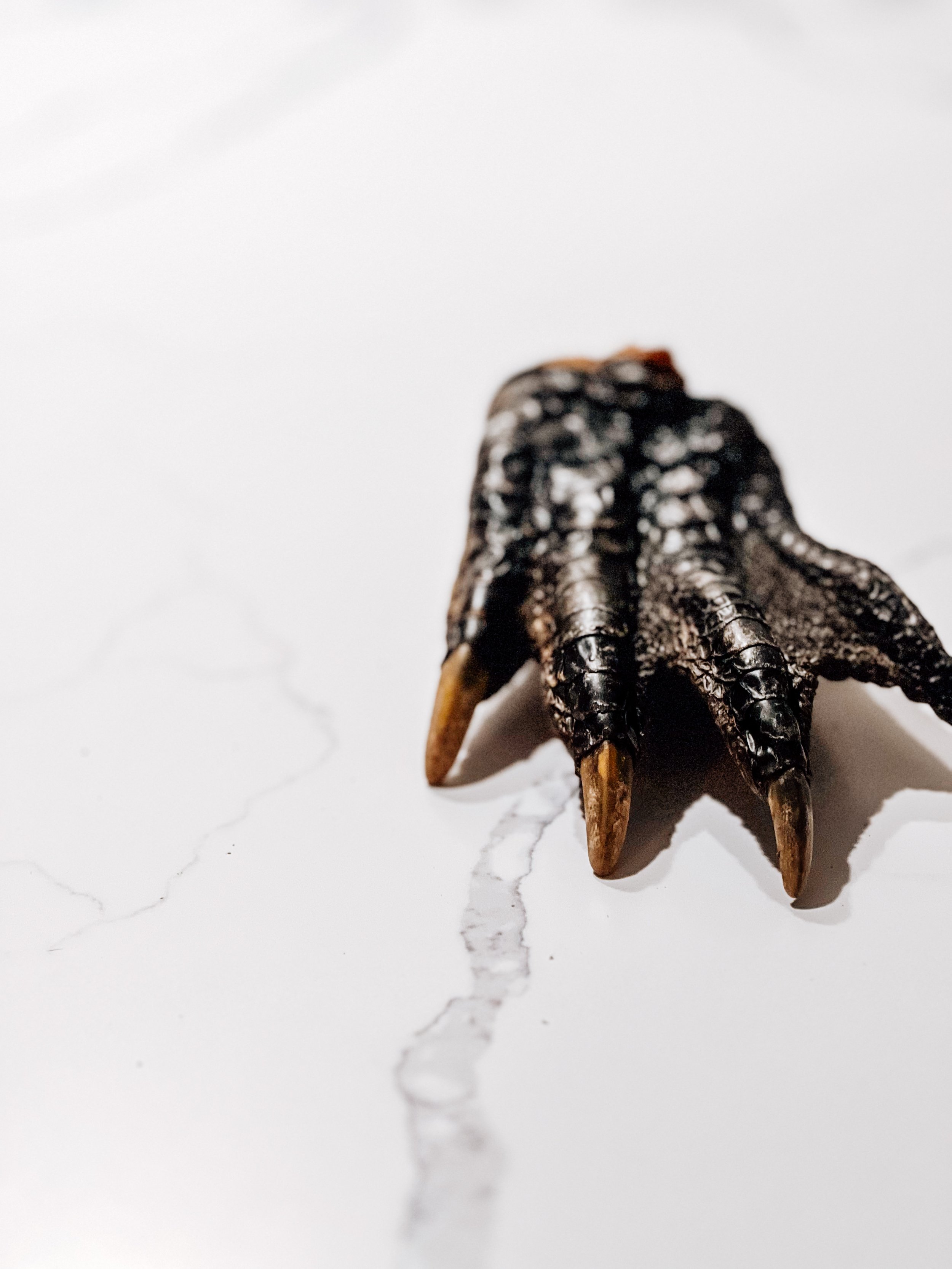
Air-Dried American Alligator Paws, MD — Pack of 2
Ultra-premium, single-ingredient chews crafted from sustainably sourced farm-raised and wild-caught American alligator, gently air-dried in the USA to lock in natural nutrients and rich, savory flavor. Dense and long-lasting, these hypoallergenic paws mechanically reduce plaque and tartar for improved dental health while delivering natural collagen and resilient cartilage to support joint mobility and long-term comfort. Naturally rich in omega fatty acids and highly bioavailable proteins, they help soothe sensitive skin, reduce inflammation, and promote a noticeably shinier, healthier coat—an excellent choice for dogs with food sensitivities, allergies, or chronic conditions. Thoughtfully packaged for full traceability and strict quality control, this convenient two-piece pack brings responsible sourcing and holistic wellness to every mindful chew.

American Duck
Best For
Warm-natured pets | Dry skin & coat | Rotational feeding | Novel protein diets
Overview
USA farm-raised duck is a nutrient-dense, highly palatable protein valued for its rich flavor and functional nutritional profile. Naturally high in quality protein and beneficial fats, duck supports muscle maintenance, sustained energy, and overall vitality. Its moderate fat content helps nourish the body, making it especially beneficial for pets that need additional support for skin, coat, and overall condition.
Compared to leaner proteins, duck provides deeper nourishment while still remaining highly digestible, making it a strong option for pets that require both energy and balance. As a less commonly used protein in traditional commercial diets, it also serves as an effective option within rotation feeding strategies for pets with sensitivities or those needing dietary variety.
From a TCVM perspective, duck is considered a cooling, Yin-nourishing protein with a salty profile, traditionally associated with the Water element and support of the Kidney system. Unlike lighter cooling proteins, duck helps replenish fluids, support hydration, and restore internal balance, making it especially useful for pets showing signs of dryness or internal heat.
Pet parents may consider duck as part of a rotation for dogs experiencing signs such as dry skin, dull coat, excessive panting, restlessness, or general imbalance—where a cooling, nourishing protein may help support recovery and stability.
By combining modern nutritional value with TCVM-guided energetic properties, duck serves as both a highly functional protein and a purposeful tool within a more advanced, balanced approach to feeding.
Mosaic Perspective
At Mosaic, duck is more than a novel protein—it’s a strategic, functional ingredient. Through responsible sourcing and TCVM-guided formulation, we utilize duck to support hydration, nourishment, and a more refined approach to rotational feeding and advanced pet nutrition.
TCVM Classification
Energy: Cooling (Yin-tonifying)
Element: Water
Organ Support: Kidney, Liver
Taste: Salty
In Traditional Chinese Veterinary Medicine (TCVM), duck is used to nourish Yin, support fluid balance, and help regulate internal heat, making it a valuable protein for restoring hydration and internal stability.
When to Consider Duck
Duck may be a valuable addition to a rotational diet for pets that:
Tend to run warm
Experience dry skin, dull coat, or dehydration
Show signs of internal heat or imbalance
Benefit from richer, more nourishing protein sources
Functional Benefits
Nutrient-dense, highly palatable protein
Supports muscle maintenance and sustained energy
Promotes skin hydration and coat health
Helps support internal balance and recovery
Ideal for rotational feeding and dietary variety
Why It Matters
Feeding with intention goes beyond ingredients—it’s about balance. In TCVM, proteins like duck help restore fluids, nourish the body, and regulate internal heat. When used within a rotational feeding strategy, duck provides both nutritional depth and energetic balance—supporting long-term health in a more complete and purposeful way.
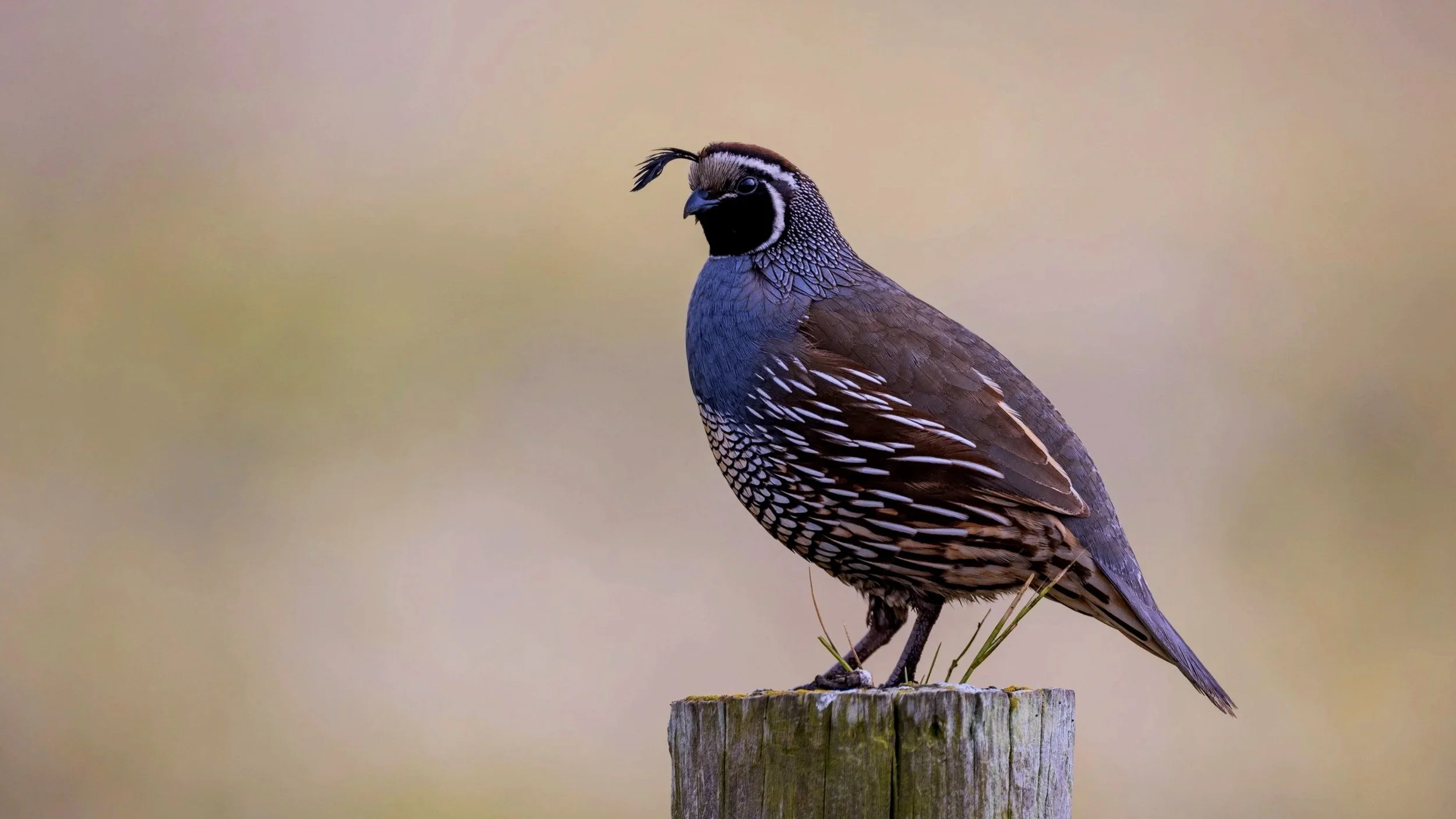
American Quail
Best For
Cold-natured pets | Low energy | Picky eaters | Small dogs & cats | Rotational feeding
Overview
USA farm-raised quail is a small, nutrient-dense protein valued for its high digestibility and concentrated nutritional profile. Naturally rich in essential amino acids, vitamins, and minerals, quail supports muscle maintenance, energy production, and overall vitality in a highly efficient form. Its smaller size and lighter structure make it especially well-suited for small dogs, cats, and pets that benefit from easier-to-handle, whole-prey-style nutrition.
Compared to larger proteins, quail offers a more concentrated nutrient delivery while remaining gentle on digestion. As a less commonly used protein in commercial diets, it also serves as an excellent option for rotational feeding, particularly for pets with sensitivities or those requiring dietary variety.
From a TCVM perspective, quail is considered a warming protein with a sweet profile, traditionally associated with the Earth element and support of the Spleen and Stomach systems. It is commonly used to support digestion, strengthen energy (Qi), and improve overall vitality, making it especially beneficial for pets that are undernourished, low in energy, or experiencing digestive weakness.
Pet parents may consider quail as part of a rotation for dogs or cats experiencing signs such as low appetite, fatigue, loose stools, or general weakness—where a warming, easily digestible protein may help support balance and recovery.
By combining modern nutritional value with TCVM-guided energetic properties, quail serves as both a highly functional protein and a purposeful tool within a more advanced, balanced approach to feeding.
Mosaic Perspective
At Mosaic, quail is more than a novel protein—it’s a targeted, functional ingredient. Through responsible sourcing and TCVM-guided formulation, we utilize quail to support digestive strength, energy production, and a more refined approach to rotational feeding and advanced pet nutrition.
TCVM Classification
Energy: Warming
Element: Earth
Organ Support: Spleen, Stomach
Taste: Sweet
In Traditional Chinese Veterinary Medicine (TCVM), quail is used to strengthen digestion, support energy (Qi), and help restore vitality, making it a valuable protein for pets experiencing weakness or imbalance.
When to Consider Quail
Quail may be a valuable addition to a rotational diet for pets that:
Tend to run cold
Experience low energy or fatigue
Have picky appetites
Show signs of digestive weakness or loose stools
Benefit from smaller, more manageable protein sources
Functional Benefits
Highly digestible, nutrient-dense protein
Supports energy production and vitality
Helps strengthen digestion and nutrient absorption
Ideal for small dogs and cats
Excellent for rotational feeding and variety
Why It Matters
Feeding with intention goes beyond ingredients—it’s about balance. In TCVM, proteins like quail help build energy, support digestion, and restore internal strength. When used within a rotational feeding strategy, quail provides both concentrated nutrition and energetic support—helping pets maintain long-term health in a more complete and purposeful way.
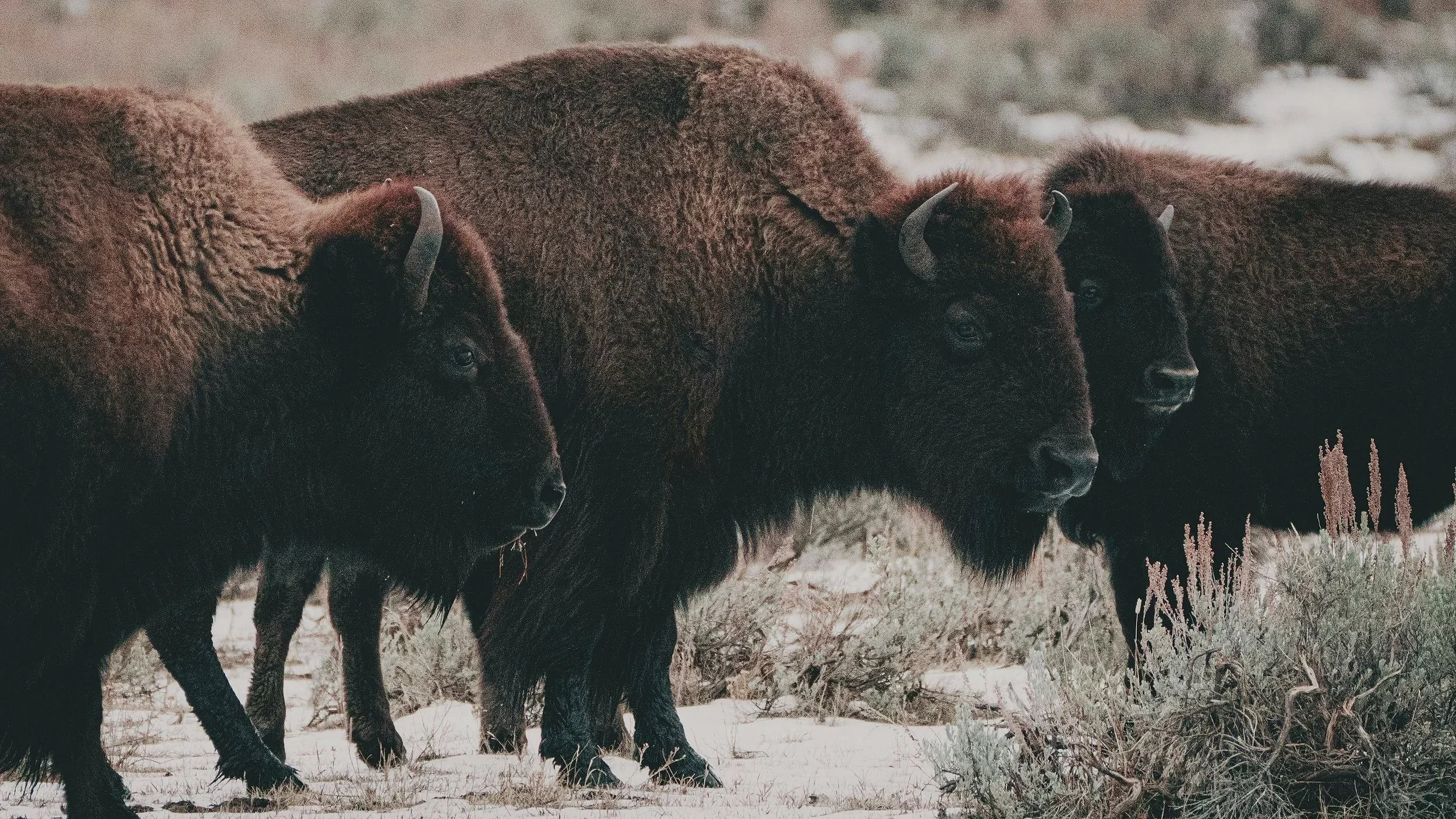
American Bison
Best For
Balanced diets | Active dogs | Muscle support | Rotational feeding | Everyday nutrition
Overview
USA ranch-raised bison—free-roaming in a wild-style environment and preserved as ancestral, pure-bred animals—offer a clean, nutrient-dense red meat valued for its high-quality protein and functional nutrition. Leaner than conventional beef while still delivering robust protein density, bison supports muscle maintenance, strength, and sustained energy. It is also a natural source of essential nutrients such as iron, zinc, and B vitamins, contributing to overall vitality, endurance, and metabolic function.
Raised on open land with natural grazing patterns, these bison develop a more authentic muscle structure and efficient nutrient profile, resulting in a highly digestible, performance-supportive protein. As a less conventional red meat in many feeding programs, bison also enhances rotational feeding by adding diversity while remaining stable and balanced.
From a TCVM perspective, bison is considered a neutral to slightly warming protein with a sweet profile, traditionally associated with the Earth element and support of the Spleen and Stomach systems. This makes it a versatile protein that helps build and maintain energy (Qi), support digestion, and provide steady nourishment without pushing the body toward excess heat or cold.
Pet parents may consider bison as part of a rotation for dogs needing consistent, foundational nutrition—particularly those that are active, require muscle support, or benefit from a stable protein that supports performance without imbalance.
By combining modern nutritional value with TCVM-guided energetic properties, bison serves as both a foundational protein and a reliable tool within a balanced, rotational feeding approach.
Mosaic Perspective
At Mosaic, bison represents balance at its highest level. By sourcing free-roaming, ancestral, pure-bred animals and applying TCVM-guided formulation, we utilize bison to deliver consistent nourishment, structural strength, and a grounded, performance-driven approach to advanced pet nutrition.
TCVM Classification
Energy: Neutral to Slightly Warming
Element: Earth
Organ Support: Spleen, Stomach
Taste: Sweet
In Traditional Chinese Veterinary Medicine (TCVM), bison is used to support digestion, build energy (Qi), and provide steady, balanced nourishment, making it ideal for maintaining overall health and stability.
When to Consider Bison
Bison may be a valuable addition to a rotational diet for pets that:
Require balanced, everyday nutrition
Are active or need muscle support
Benefit from stable energy and nourishment
Show sensitivity to overly rich or extreme proteins
Need a reliable, foundational protein source
Functional Benefits
Lean, high-quality protein for muscle maintenance
Supports sustained energy and endurance
Naturally rich in iron, zinc, and B vitamins
Highly versatile for rotational feeding
Provides balanced, consistent nourishment
Why It Matters
Feeding with intention goes beyond ingredients—it’s about balance. In TCVM, proteins like bison provide stability, nourishment, and energy without extremes, helping maintain equilibrium over time. When used within a rotational feeding strategy, bison serves as a reliable foundation—supporting long-term health in a steady, consistent, and purposeful way.

American Ostrich
Best For
Active dogs | Lean muscle support | Sensitive digestion | Rotational feeding | Novel protein diets
Overview
USA farm-raised ostrich is a clean, ultra-lean red meat valued for its high protein density and exceptional digestibility. Naturally rich in essential amino acids while lower in fat than traditional red meats, ostrich supports muscle maintenance, endurance, and overall vitality without adding excess heaviness to the diet. It is also a source of key nutrients such as iron and B vitamins, contributing to energy production and metabolic function.
Compared to more common proteins, ostrich delivers the strength and nutrient profile of red meat in a lighter, more efficient form—making it especially beneficial for active dogs or those needing lean muscle support. As a less commonly used protein, it also plays an important role in rotation feeding, helping introduce variety while remaining highly functional and easy to digest.
From a TCVM perspective, ostrich is considered a neutral to slightly warming protein with a sweet profile, traditionally associated with the Earth element and support of the Spleen and Stomach systems. It helps build and maintain energy (Qi), support digestion, and provide clean, structured nourishment without creating excess heat or dampness, making it a highly balanced option for ongoing feeding.
Pet parents may consider ostrich as part of a rotation for dogs that require lean, performance-focused nutrition—particularly those that are active, sensitive to heavier proteins, or benefit from a red meat alternative that supports strength without excess fat.
By combining modern nutritional value with TCVM-guided energetic properties, ostrich serves as both a high-performance protein and a balanced tool within a structured, rotational feeding approach.
Mosaic Perspective
At Mosaic, ostrich represents precision and performance. Through responsible sourcing and TCVM-guided formulation, we utilize ostrich to deliver clean, efficient nutrition—supporting strength, endurance, and a more refined approach to advanced pet feeding.
TCVM Classification
Energy: Neutral to Slightly Warming
Element: Earth
Organ Support: Spleen, Stomach
Taste: Sweet
In Traditional Chinese Veterinary Medicine (TCVM), ostrich is used to support digestion, build energy (Qi), and provide balanced nourishment, making it ideal for maintaining strength and stability without excess.
When to Consider Ostrich
Ostrich may be a valuable addition to a rotational diet for pets that:
Require lean muscle support
Are highly active or performance-driven
Show sensitivity to heavier or fattier proteins
Benefit from red meat without excess fat
Need a balanced, digestible protein source
Functional Benefits
Ultra-lean, high-quality red meat protein
Supports muscle development and endurance
Highly digestible and efficient nutrient delivery
Naturally rich in iron and B vitamins
Ideal for rotational feeding and dietary variety
Why It Matters
Feeding with intention goes beyond ingredients—it’s about balance. In TCVM, proteins like ostrich provide clean, structured nourishment that supports energy and strength without excess, helping maintain equilibrium over time. When used within a rotational feeding strategy, ostrich offers both performance nutrition and energetic balance—supporting long-term health in a precise and purposeful way.

American Reindeer
Best For
Cold-natured pets | Low energy | Joint support | Rotational feeding | Novel protein diets
Overview
USA farm-raised reindeer is a nutrient-dense red meat valued for its rich mineral content, clean protein structure, and naturally supportive fat profile. Compared to more common proteins, reindeer offers a unique balance of strength-building nutrients while remaining highly digestible, making it a powerful option for supporting muscle maintenance, endurance, and overall vitality. It is also a natural source of key nutrients such as iron, zinc, and essential fatty acids, which contribute to joint health, metabolic function, and sustained energy.
Raised in controlled environments with attention to quality and consistency, reindeer provides a refined, less conventional protein that supports rotation feeding by introducing both nutritional diversity and functional benefits. Its composition makes it especially useful for pets that benefit from deeper nourishment and structural support.
From a TCVM perspective, reindeer is considered a warming protein with a salty profile, traditionally associated with the Water element and support of the Kidney system. It is used to strengthen foundational energy (Yang), support joint and structural integrity, and promote circulation, making it particularly beneficial for pets that tend to run cold or show signs of weakness or stiffness.
Pet parents may consider reindeer as part of a rotation for dogs experiencing signs such as low energy, stiffness, reduced mobility, or sensitivity to colder conditions—where a warming, strengthening protein may help support balance and resilience.
By combining modern nutritional value with TCVM-guided energetic properties, reindeer serves as both a deeply nourishing protein and a targeted tool within a more advanced, balanced approach to feeding.
Mosaic Perspective
At Mosaic, reindeer represents strength and restoration. Through responsible sourcing and TCVM-guided formulation, we utilize reindeer to support structural health, energy production, and a more intentional approach to advanced pet nutrition.
TCVM Classification
Energy: Warming
Element: Water
Organ Support: Kidney
Taste: Salty
In Traditional Chinese Veterinary Medicine (TCVM), reindeer is used to build Yang energy, support joints and bones, and improve circulation, making it a valuable protein for restoring strength and vitality.
When to Consider Reindeer
Reindeer may be a valuable addition to a rotational diet for pets that:
Tend to run cold
Experience stiffness or reduced mobility
Show signs of low energy or weakness
Benefit from warming, strengthening proteins
Need structural and joint support
Functional Benefits
Nutrient-dense red meat rich in essential minerals
Supports joint health and structural strength
Promotes energy production and endurance
Helps maintain mobility and resilience
Ideal for rotational feeding and dietary diversity
Why It Matters
Feeding with intention goes beyond ingredients—it’s about balance. In TCVM, proteins like reindeer help build warmth, strengthen the body, and restore internal energy, supporting long-term resilience and stability. When used within a rotational feeding strategy, reindeer provides both nutritional depth and energetic reinforcement—helping pets maintain strength and vitality in a more complete and purposeful way.
Spanish Octopus
Best For
Warm-natured pets | Skin & coat support | Cognitive support | Rotational feeding | Advanced / exotic protein diets
Overview
Wild-caught, human-grade Spanish octopus is a clean, ocean-sourced protein valued for its exceptional digestibility and unique nutrient profile. Naturally rich in high-quality protein and omega-3 fatty acids, octopus supports skin and coat health, cognitive function, and overall vitality. Its lean structure combined with marine-derived nutrients makes it a highly efficient, functional protein for pets that benefit from clean, performance-driven nutrition.
Compared to traditional land proteins, octopus offers a distinct amino acid and mineral composition, contributing to a more diverse and complete feeding strategy. As a rare and less commonly used protein, it plays a key role in rotation feeding by introducing new nutritional inputs while remaining highly digestible and effective.
From a TCVM perspective, octopus is considered a cooling protein with a salty profile, traditionally associated with the Water element and support of the Kidney system. It is often used to help regulate internal heat, support fluid balance, and provide mineral-rich nourishment, making it especially beneficial for pets that tend to run warm or benefit from ocean-based nutrients.
Pet parents may consider octopus as part of a rotation for dogs or cats experiencing signs such as dryness, dull coat, heat imbalance, or the need for enhanced nutrient diversity—where a cooling, omega-rich protein may help support balance and function.
By combining modern nutritional value with TCVM-guided energetic properties, octopus serves as both an advanced functional protein and a unique tool within a more elevated, balanced approach to feeding.
Mosaic Perspective
At Mosaic, octopus represents innovation and expansion. By sourcing wild-caught, human-grade Spanish octopus and applying our patent-pending process, we elevate both structure and function—delivering a highly refined, nutrient-dense protein that pushes the boundaries of advanced pet nutrition.
TCVM Classification
Energy: Cooling
Element: Water
Organ Support: Kidney
Taste: Salty
In Traditional Chinese Veterinary Medicine (TCVM), octopus is used to cool the body, support fluid balance, and deliver mineral-rich nourishment, making it valuable for maintaining internal equilibrium and vitality.
When to Consider Octopus
Octopus may be a valuable addition to a rotational diet for pets that:
Tend to run warm
Experience dry skin or dull coat
Benefit from omega-3 rich nutrition
Need increased nutrient diversity
Thrive on novel, marine-based proteins
Functional Benefits
High-quality, highly digestible protein
Naturally rich in omega-3 fatty acids
Supports skin, coat, and cognitive health
Provides unique mineral and amino acid diversity
Ideal for advanced rotational feeding
Why It Matters
Feeding with intention goes beyond ingredients—it’s about balance and diversity. In TCVM, proteins like octopus help cool the body, nourish fluids, and support internal equilibrium. When used within a rotational feeding strategy, octopus introduces a new dimension of nutrition—enhancing both physical health and energetic balance in a more advanced and purposeful way.
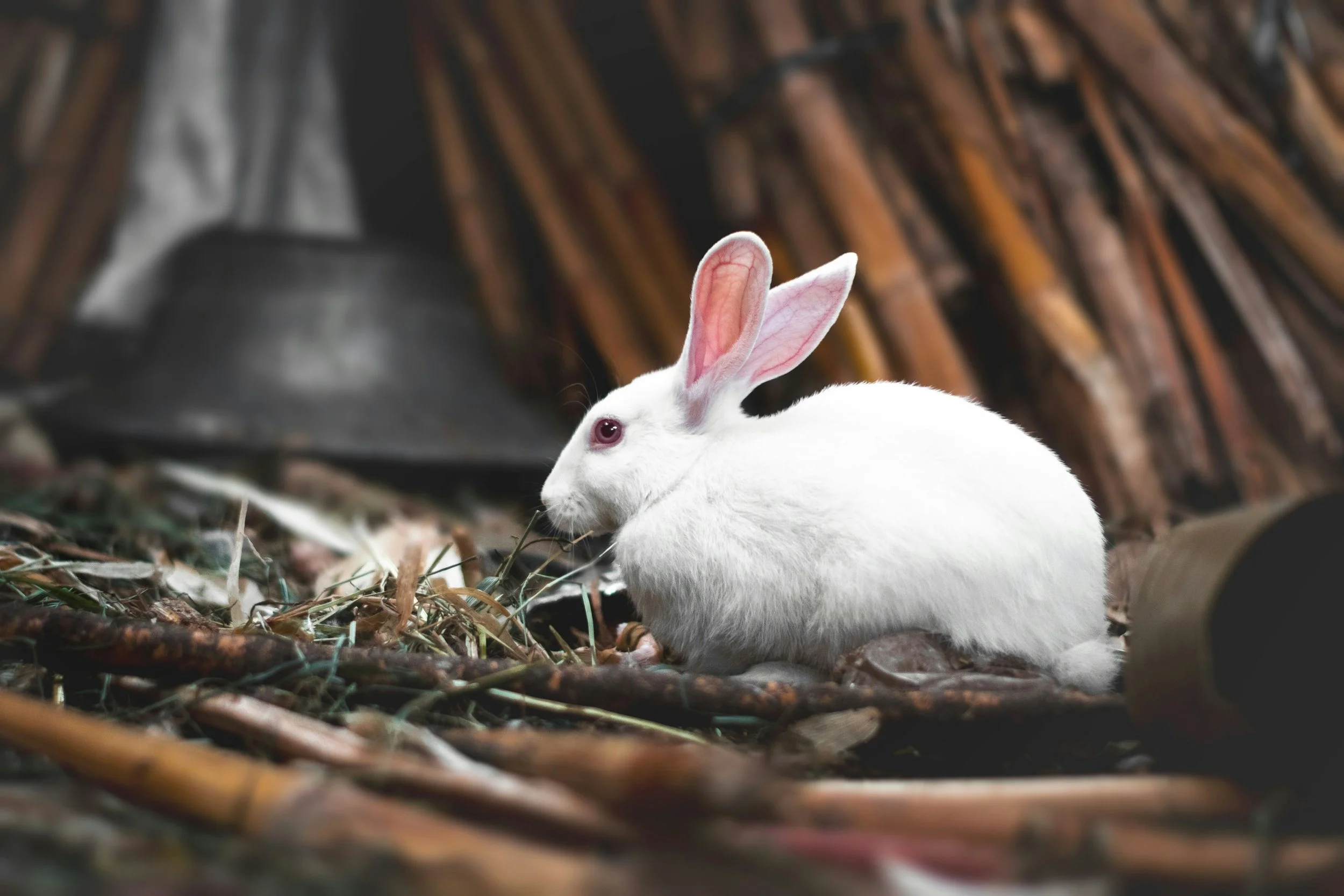
American Rabbit
Best For
Warm-natured pets | Sensitive digestion | Skin sensitivity | Rotational feeding | Novel protein diets
Overview
USA farm-raised rabbit is a clean, lean, and highly digestible protein valued for its simplicity and gentle nutritional profile. Naturally rich in essential amino acids while lower in fat than many traditional proteins, rabbit supports muscle maintenance, digestive efficiency, and overall vitality without placing excess demand on the body. Its light structure makes it especially well-suited for pets that benefit from streamlined, easy-to-process nutrition.
As a less commonly used protein in commercial diets, rabbit serves as an excellent option within rotation feeding strategies—particularly for pets with sensitivities or those requiring dietary variety. Its mild nature and clean composition make it one of the most approachable novel proteins available.
From a TCVM perspective, rabbit is considered a cooling protein with a sweet profile, traditionally associated with the Earth element and support of the Spleen and Stomach systems. It is often used to help reduce internal heat, support digestion, and provide gentle nourishment without excess richness, making it especially beneficial for pets prone to sensitivity or imbalance.
Pet parents may consider rabbit as part of a rotation for dogs or cats experiencing signs such as digestive upset, itchiness, or sensitivity to heavier proteins—where a cooling, gentle protein may help support balance and stability.
By combining modern nutritional value with TCVM-guided energetic properties, rabbit serves as both a foundational gentle protein and a purposeful tool within a more advanced, balanced approach to feeding.
Mosaic Perspective
At Mosaic, rabbit represents simplicity and precision. Through responsible sourcing and TCVM-guided formulation, we utilize rabbit to support digestive balance, reduce sensitivity, and provide a clean, reliable option within a refined rotational feeding system.
TCVM Classification
Energy: Cooling
Element: Earth
Organ Support: Spleen, Stomach
Taste: Sweet
In Traditional Chinese Veterinary Medicine (TCVM), rabbit is used to cool the body, support digestion, and provide gentle nourishment, making it ideal for pets that benefit from lighter, more balanced proteins.
When to Consider Rabbit
Rabbit may be a valuable addition to a rotational diet for pets that:
Tend to run warm
Experience digestive sensitivity or upset
Show signs of skin irritation or itchiness
Are sensitive to richer or heavier proteins
Benefit from clean, simplified nutrition
Functional Benefits
Lean, highly digestible protein
Supports digestive health and efficiency
Helps maintain healthy skin and coat
Ideal for sensitive pets and simplified diets
Excellent for rotational feeding and variety
Why It Matters
Feeding with intention goes beyond ingredients—it’s about balance. In TCVM, proteins like rabbit help cool the body, support digestion, and restore internal harmony. When used within a rotational feeding strategy, rabbit provides both nutritional simplicity and energetic balance—supporting long-term health in a gentle, effective, and purposeful way.